7 Best Scar Management Products for Long Lasting Results?

Time:2026-10-14 Author:Sophia
0%

Scars can change in color, texture, and sensitivity long after a wound closes. A raised surgical line may feel tight, while an older acne mark may look uneven under bright bathroom light. Choosing a scar product requires more than attractive packaging. It requires attention to scar type, skin tolerance, ingredients, and realistic treatment timelines.

This guide reviews seven scar management products designed to support Long-Lasting Scar Management Results. The selection considers silicone gels, silicone sheets, moisturizing formulas, sunscreen, and other commonly recommended options. Silicone-based products have the strongest practical reputation for improving the appearance of some raised scars when used consistently. However, results can differ widely between individuals. Healing is rarely perfectly predictable.

Product claims should be interpreted carefully. A cream cannot erase every scar, and no treatment works overnight. Some products may reduce dryness or discoloration, while others may help soften a raised area over time. Daily sun protection also matters, especially when a scar remains pink, brown, or sensitive. Even a short walk outdoors can deepen visible pigmentation without adequate protection.

The recommendations focus on practical use, ingredient awareness, and safety. Always apply products only to fully closed skin unless a qualified healthcare professional advises otherwise. Stop using a product if burning, swelling, or persistent irritation develops. Medical guidance is especially important for painful, growing, infected, or heavily raised scars. Personal experience can be useful, but it should not replace evidence or professional assessment. Expect gradual progress, and question any promise of flawless skin.
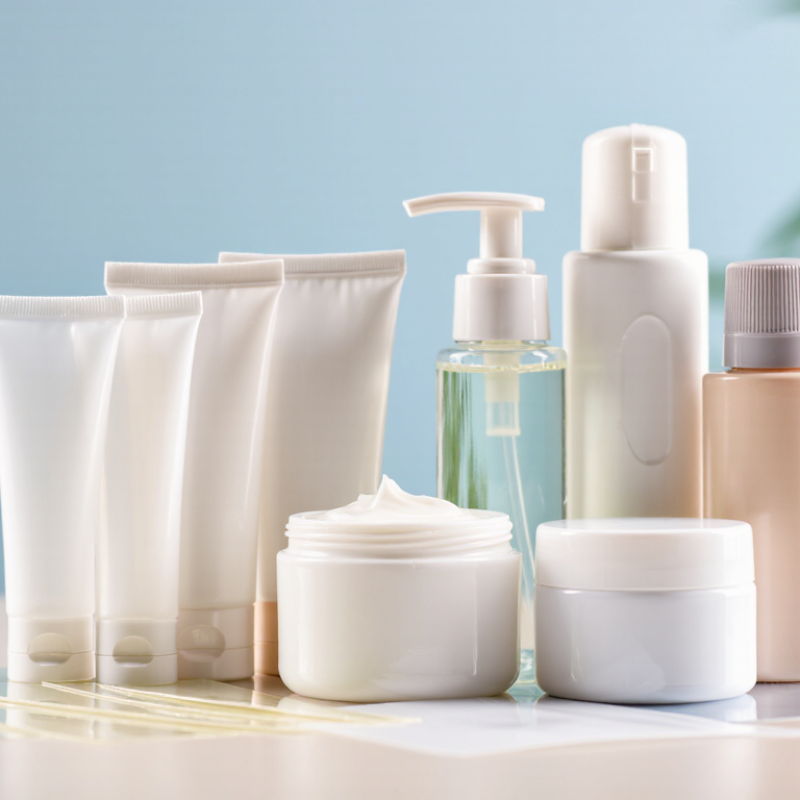
7 Best Scar Management Products for Long Lasting Results?

Scar Types and How They Respond to Treatment

Scar tissue does not behave the same way on every body. A flat, pale scar often responds well to silicone gel or silicone sheets, especially when used consistently after the wound closes. Daily broad-spectrum sunscreen can reduce darkening and protect newly healed skin. A simple fragrance-free moisturizer may ease dryness, tightness, and itching. These products support gradual change, not overnight repair.

Raised scars need closer attention. Hypertrophic scars usually stay within the original wound, while keloids grow beyond it and may feel firm, itchy, or tender. Silicone products can soften some raised scars, but larger or persistent keloids may require professional care. A dermatologist might discuss injections, pressure therapy, laser treatment, or other evidence-based options. Do not cut, burn, or aggressively scrub them. That can worsen inflammation.

Indented acne scars respond differently because lost collagen creates a depression. Moisturizers and sunscreen improve comfort and appearance, but they rarely rebuild significant depth. Professional microneedling, chemical treatment, or laser procedures may help, depending on skin tone and scar structure. Contracture scars can restrict movement and need prompt medical assessment. Results remain unpredictable. I once underestimated how much patience scar care demands; even careful routines can produce uneven progress. Patch-test new products, stop if burning persists, and seek advice before treating scars near the eyes or on healing skin.

7 Best Scar Management Products for Long-Lasting Results

Common scar-management options and the number of scar types for which they are commonly considered useful.

The chart summarizes general clinical use across five scar categories: fresh healing scars, flat mature scars, hypertrophic scars, keloid scars, and atrophic scars. A higher score means the option is commonly considered for more categories; it does not guarantee scar removal or a specific treatment result. Raised and painful scars should be assessed by a qualified healthcare professional.

Key Ingredients in Effective Scar Management Products

Silicone is often the foundation of evidence-based scar care. A Cochrane review assessed 20 studies involving 873 participants and found possible benefits for raised scars, although the evidence quality remained limited. Silicone sheets or gels may soften texture, reduce redness, and ease itching when used consistently. Clean, dry skin matters. Apply only after the wound has fully closed.

Look for supportive ingredients, not impressive promises. A broad-spectrum sunscreen with SPF 30 or higher helps reduce darkening caused by ultraviolet exposure. This matters most during the first year, when scars can appear pink, brown, or purple. Hydrating ingredients, such as glycerin or hyaluronic acid, can reduce surface dryness and tightness. They cannot rebuild damaged tissue alone. That distinction is easy to miss.

Vitamin E deserves caution. Reviews have reported inconsistent benefits, while some users develop redness, itching, or contact dermatitis. Onion extract also shows mixed results across clinical studies. Massage may improve flexibility, but pressure should remain gentle and pain-free. I have seen people use too much force, hoping for faster changes. That can irritate fragile tissue. The International Clinical Recommendations on Scar Management support silicone, sun protection, and individualized assessment, especially for thick, expanding, or painful scars. A product label is not clinical evidence. Persistent changes deserve professional review.

7 Best Scar Management Products for Long Lasting Results? - Key Ingredients in Effective Scar Management Products

A practical comparison of evidence-informed product types for improving the appearance of healed scars and preventing discoloration.

Product Type Key Ingredients Best For How It May Help Typical Use Evidence Snapshot Important Considerations
Silicone Gel Medical-grade silicone Raised, thick, or newly healed scars, including some surgical scars Creates a flexible occlusive layer that helps reduce moisture loss and may soften, flatten, and reduce redness or discomfort over time. Apply a thin layer to clean, fully closed skin, commonly twice daily or as directed by the product instructions. One of the most consistently recommended non-invasive options for mature and hypertrophic scars. Do not apply to open, infected, or actively oozing wounds. Improvement usually requires consistent use for several weeks or months.
Silicone Scar Sheets Silicone elastomer Occlusive backing Flat or raised scars where longer skin contact is practical Provides sustained contact and gentle protection from friction while supporting hydration of the scar surface. Wear for gradually increasing periods on clean, dry, healed skin; remove and clean the area according to instructions. Supported by clinical use and reviews for hypertrophic and keloid-prone scars, although results vary. May cause sweating, itching, or irritation. Stop use if a rash develops and avoid placing over broken skin.
Broad-Spectrum Sunscreen UVA/UVB filters SPF 30 or higher Darkening or redness after injury, acne, surgery, or inflammation Reduces ultraviolet-triggered discoloration and helps prevent a healing scar from becoming more noticeable. Apply generously to exposed, healed skin and reapply during prolonged outdoor exposure or sweating. Sun protection is strongly supported for preventing post-inflammatory hyperpigmentation and protecting healing skin. Sunscreen does not usually flatten a raised scar. Use physical covering and shade as additional protection.
Barrier Ointment Petrolatum Occlusive emollients Fresh, minor wounds after bleeding has stopped and the area is appropriately cleaned Maintains a moist barrier, which can support uncomplicated wound healing and reduce cracking or scab-related irritation. Use a thin layer during the early healing stage, following professional wound-care advice. Useful for basic wound care; it is not a proven scar-flattening treatment once a scar has formed. Avoid if there is suspected infection or sensitivity. Seek medical advice for increasing pain, warmth, swelling, pus, or fever.
Onion-Extract Gel Allium cepa extract Humectants Some flat or mildly raised scars when silicone is not tolerated May influence inflammation and collagen organization, potentially improving texture or redness in some users. Apply only after complete wound closure and use consistently according to the label. Clinical findings are mixed and generally less consistent than the evidence for silicone-based products. May cause irritation or contact dermatitis. A small-area patch test can help identify sensitivity.
Retinoid Treatment Adapalene Tretinoin Post-acne marks, uneven texture, and some shallow acne-scar concerns Encourages skin-cell turnover and may help improve discoloration and fine surface irregularity; it is not a reliable treatment for deep or raised scars. Use a small amount at night on intact skin, beginning gradually and using moisturizer and daytime sunscreen. Useful for acne and pigment-related concerns; results for established scars are limited and product-specific. Can cause dryness and irritation. Avoid during pregnancy unless specifically approved by a qualified clinician.
Azelaic Acid Cream or Gel Azelaic acid Anti-inflammatory agent Brown or red post-inflammatory marks after acne, irritation, or minor injury Helps regulate excess pigment production and may calm inflammation without physically remodeling a raised scar. Apply to intact skin once daily at first, increasing only if tolerated and consistent with product directions. Evidence is strongest for acne-related pigmentation and inflammation rather than for thick or indented scars. Temporary stinging, dryness, or redness can occur. Do not apply to open wounds, and use sunscreen during treatment.

Safety note: Scar appearance depends on scar type, skin tone, age, location, and healing history. Raised, painful, rapidly enlarging, or function-limiting scars may require assessment by a qualified healthcare professional. No topical product can reliably remove a scar completely.

Seven Product Categories for Long-Lasting Scar Care

Seven Product Categories for Long-Lasting Scar Care

Scar care works best when products match the scar’s age, texture, and location. Silicone sheets and silicone gels remain common options for raised scars. A 2021 Cochrane review covering 20 studies found possible benefits, but evidence quality remained low or very low. That matters. Results are not guaranteed. Use silicone consistently on clean, healed skin, and stop if irritation develops.

Daily protection needs more than one product. Broad-spectrum sunscreen with SPF 30 or higher can reduce darkening caused by ultraviolet exposure, according to American Academy of Dermatology guidance.

Gentle cleansers protect fragile skin, while fragrance-free moisturizers reduce dryness and tightness. Pressure garments may help larger burn scars, but sizing should follow professional assessment. Massage tools can support flexibility after complete healing; excessive pressure may worsen tenderness. Clinician-guided treatments, including steroid injections or laser procedures, belong in a separate category because they require evaluation and follow-up.

Keep expectations realistic. Scar remodeling often continues for 12 months or longer, and some scars remain visible.

A 2023 International Society for Burn Injuries consensus emphasizes individualized care, especially for hypertrophic scars and contractures.

Photograph the area monthly under similar lighting. That simple record can reveal slow changes that mirrors hide. Product routines are easy to overcomplicate.

Sometimes, the missing step is patience.

How to Choose Products for Different Scar Needs

7 Best Scar Management Products for Long Lasting Results?

How to Choose Products for Different Scar Needs

Choosing a scar product starts with the scar itself, not the packaging. For raised scars, silicone gel or silicone sheets may soften texture and reduce tightness over time. Sheets suit flat areas, while gel works better around joints or uneven surfaces. Use them only after the wound has fully closed. Skin type matters.

For dark marks, a broad-spectrum sunscreen with SPF 30 or higher helps prevent deeper discoloration. Apply it daily, even on cloudy days. A fragrance-free moisturizer can reduce dryness and itching around healing skin. Gentle cleansers are useful when the area feels sensitive. Avoid harsh scrubs, alcohol-heavy formulas, and picking.

Indented acne scars usually need professional assessment because creams rarely rebuild lost volume. A dermatologist may discuss procedures or prescription options. Retinoid products can help some uneven pigmentation, but they may irritate sensitive skin and need careful use. Hydrocolloid dressings support certain healing spots, though they are not a complete scar treatment.

Patch test first. Keep expectations realistic. I have found that consistent use matters more than collecting several products. Results can take weeks or months, and some scars remain visible.

Stop using a product if burning, swelling, or a spreading rash appears. Ask a qualified clinician about scars that grow, hurt, bleed, or restrict movement.

Safe Application, Expected Results, and Ongoing Maintenance

Safe Application, Expected Results, and Ongoing Maintenance

Effective scar care begins after the wound has fully closed. Silicone gel and silicone sheets may soften, flatten, and reduce discoloration in some raised scars. Apply them only to clean, dry skin, and stop if persistent redness, blistering, or itching develops.

Do not rush. A fragrance-free moisturizer or a thin layer of petrolatum can reduce dryness and friction. Sunscreen with broad-spectrum protection helps prevent a scar from becoming darker. Reapply it outdoors, especially after sweating or swimming.

Other useful options include gentle scar massage, pressure garments, and carefully selected treatment patches. Massage should feel comfortable, never sharp or painful. Pressure garments need professional fitting because excessive pressure can damage skin.

Product instructions matter more than dramatic online claims. Results often appear slowly, sometimes after several months. Results vary. Older scars may improve, but they rarely disappear completely.

Maintenance requires patience and regular observation. Take monthly photos in the same lighting instead of checking the scar every day. That small habit makes gradual changes easier to judge.

I would also question any product promising permanent removal or instant repair. Evidence differs between scar types, skin tones, and healing stages.

A dermatologist should assess scars that become increasingly raised, painful, warm, or itchy. Seek medical advice sooner if discharge or spreading redness appears.

Even careful routines can fail when the scar is deep, infected, or repeatedly exposed to tension. Consistency matters most.

FAQS

When should scar care products be applied?

Start only after the wound has fully closed. The skin should be clean and dry. Do not apply products to open areas.

How can silicone products help raised scars?

Silicone sheets or gels may soften, flatten, and reduce redness. They may also ease itching. Evidence suggests possible benefits, but results are not guaranteed.

How often should silicone products be used?

Use them consistently according to their instructions. Stop if redness, blistering, or persistent itching appears. More product is not always better.

Why is sunscreen important for scars?

Broad-spectrum sunscreen with SPF 30 or higher can reduce darkening. Apply it outdoors and reapply after sweating or swimming. A dark scar may fade slowly.

Can moisturizers repair damaged scar tissue?

Fragrance-free moisturizers can reduce dryness and tightness. Ingredients like glycerin may improve surface comfort. They cannot rebuild damaged tissue alone.

Is massage useful for scar care?

Gentle massage may improve flexibility after complete healing. It should feel comfortable, not sharp or painful. Too much pressure can irritate fragile tissue.

Are vitamin E and botanical extracts always effective?

No. Vitamin E has inconsistent results and may cause redness or contact irritation. Some botanical extracts also show mixed evidence. I would stay cautious.

How long do scars usually take to change?

Scar remodeling often continues for twelve months or longer. Older scars may improve but rarely disappear completely. Change is slow.

How can someone track gradual scar changes?

Take one photograph each month under similar lighting. Keep the camera distance similar. Daily mirror checks can mislead you.

When should a healthcare professional assess a scar?

Seek assessment if the scar becomes increasingly raised, painful, warm, or itchy. Spreading redness or discharge needs earlier medical attention. Even careful routines can fail.

Conclusion

Effective scar care begins with understanding the scar type, age, texture, color, and whether it is raised, indented, or primarily discolored. Different scars may respond differently to silicone-based gels or sheets, moisturizing creams, gentle exfoliating ingredients, barrier-supporting agents, and broad-spectrum sunscreen. Helpful ingredients can include silicone, hydrating compounds, soothing botanical extracts, antioxidants, and skin-renewing actives, but products should be selected according to individual skin sensitivity and scar needs.

The seven main product categories for long-term care include silicone sheets, silicone gels, scar creams, hydrating treatments, exfoliating formulas, targeted discoloration products, and daily sun protection. Apply products only to fully healed skin, follow usage directions, introduce active ingredients gradually, and stop if irritation occurs. Results are usually gradual rather than immediate, with consistent care helping improve softness, color, texture, and visibility over time. Regular moisturizing, sun protection, gentle massage when appropriate, and periodic reassessment can support Long-Lasting Scar Management Results. Persistent, painful, or changing scars should be evaluated by a qualified healthcare professional.

Sophia

Sophia

Sophia is a dedicated marketing professional with an exceptional depth of knowledge about her company's products and services. With a keen understanding of market trends and customer needs, she crafts insightful blog posts that not only inform but also engage readers, enriching the company’s online......